Botox vs Fillers: What Each Does and How to Choose
Both are quick injections, but they work in very different ways. Learn what Botox and fillers each do, how long they usually last and which one suits your concern.
GetBeauty editorial team3 min read
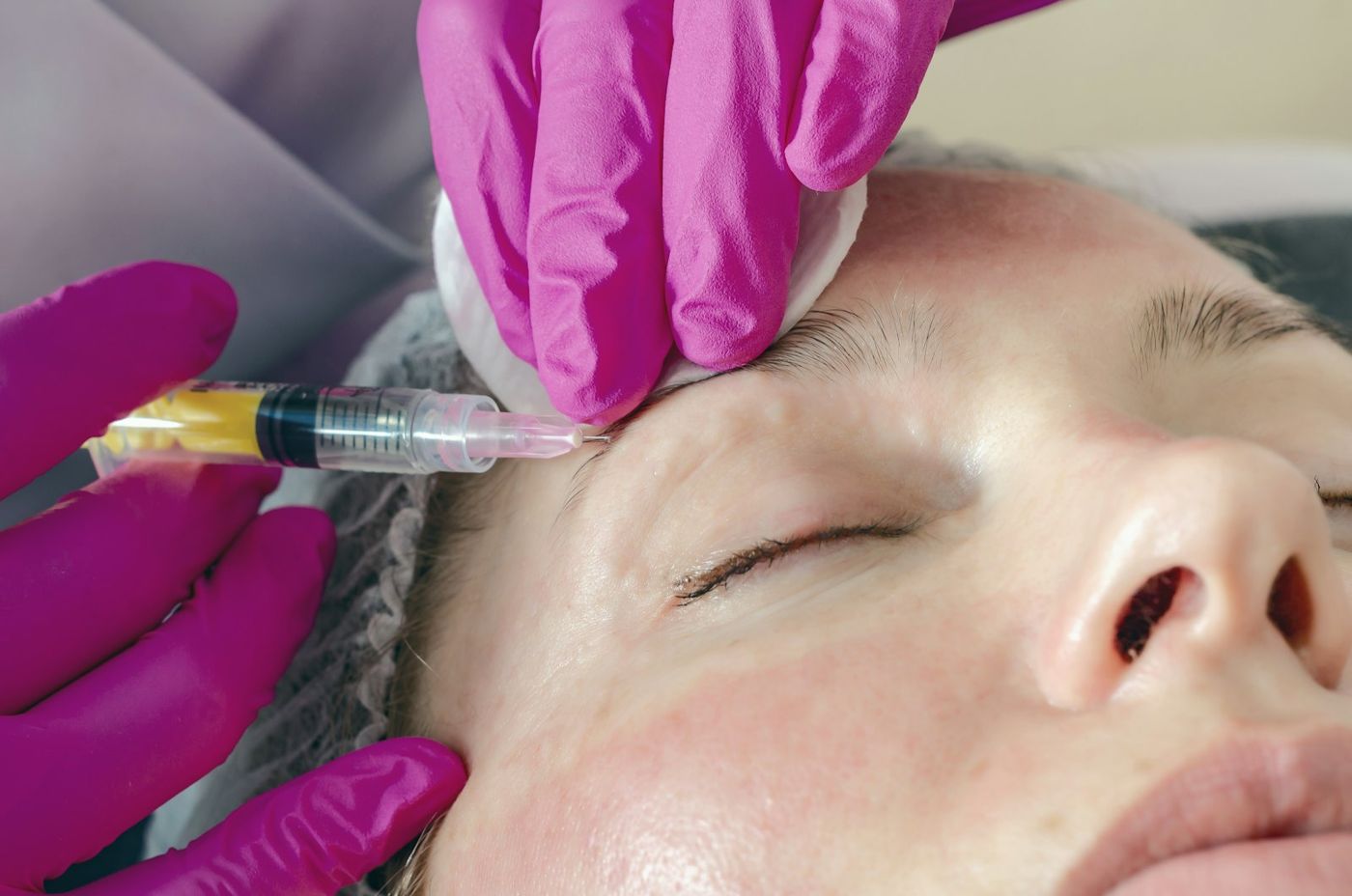
Botox vs fillers is one of the most common questions people ask when they first look into non-surgical treatments. Both are injections, both can be done in a short appointment, and both can soften signs of ageing. But they work in completely different ways and treat different concerns. Here is what each one does, how long they usually last and how to decide which might suit you.
What Botox does
Botox is the widely used name for botulinum toxin injections. In very small, controlled doses, it relaxes specific muscles that create expression lines. When those muscles move less, the skin over them creases less.
It is most often used for dynamic wrinkles, the lines that appear when you move your face:
- Frown lines between the eyebrows
- Forehead lines
- Crow's feet around the eyes
Doctors also use it for some medical reasons, such as excessive sweating or jaw clenching, after a proper assessment.
What fillers do
Dermal fillers are gels injected under the skin to add volume or support. Many common fillers are made from hyaluronic acid, a substance that occurs naturally in the body and holds water.
Fillers are usually used for:
- Lost volume in the cheeks or temples
- Deeper folds, such as the lines from nose to mouth
- Lip shape and volume
- Contouring areas such as the chin or jawline
The key difference
The simplest way to remember it:
- Botox relaxes muscles to soften lines caused by movement.
- Fillers add volume to fill hollows, folds and lines that are there at rest.
That is why many people use both, for different areas. A line that only shows when you frown is often a case for Botox, while a line that is there even when your face is relaxed may need filler or another approach.
How long do they last?
Results vary from person to person and depend on the product, the area treated and your own metabolism.
- 01Botox: effects usually begin within a few days, reach their full effect at around two weeks and typically last about three to four months.
- 02Hyaluronic acid fillers: results are visible straight away and usually last from around six months to over a year, depending on the area and product.
Neither is permanent, which many people see as a benefit: you can adjust or stop treatment over time.
Safety, side effects and who should wait
Both treatments are generally considered safe when given by a trained, licensed professional, but they are still medical procedures. Common side effects include redness, swelling, tenderness and bruising at the injection sites, which usually settle within days.
Less common but more serious risks exist, such as a drooping eyelid after Botox or, rarely, a filler blocking a blood vessel. That is why the injector's training and knowledge of facial anatomy matter so much.
Talk to a doctor before treatment if you are pregnant or breastfeeding, have a neuromuscular condition, have an active skin infection, or take blood thinners or other medicines that affect bleeding.
Key tip: Choose your injector, not just the product. Ask who will treat you, what their training is and what they would do if a complication happened.
How to choose between them
Start with your concern, not the treatment. In a consultation, a good doctor will look at your face at rest and in motion and explain which option fits:
- Lines that appear with expression usually point to Botox
- Hollows, lost volume or lines at rest usually point to fillers
- A mix of concerns may suit a combined, gradual plan
Write down your goals and ask about expected results, the number of sessions and the likely total cost over a year. You can get free personal plans and prices from verified doctors on GetBeauty and ask follow-up questions in the app before you book anything.
The bottom line
Botox relaxes the muscles behind expression lines, while fillers restore volume and shape. Both are temporary, both need a skilled injector, and the right choice depends on your face and your goals. Start with a proper consultation and a plan you fully understand.
- #botox
- #dermal fillers
- #injectables
- #anti-ageing
This article is general information, not medical advice. Talk to a licensed doctor about your own situation.