FUE vs DHI Hair Transplant: Differences, Candidates and Recovery
FUE and DHI both move your own follicles to thinning areas. Here is how the two techniques differ, who tends to be a good candidate and what recovery looks like.
GetBeauty editorial team4 min read
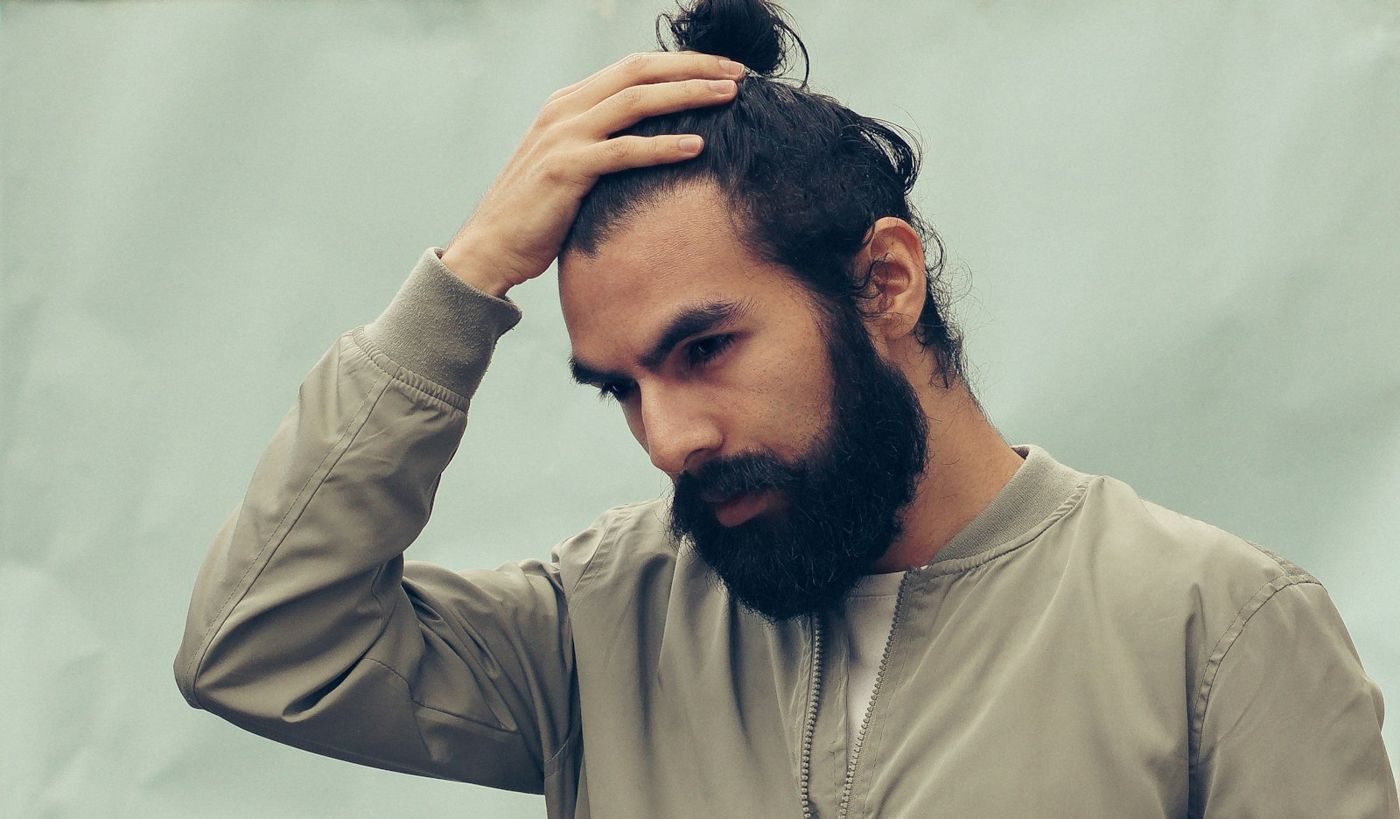
If you are researching hair restoration, you have probably come across the FUE vs DHI debate. Both are modern hair transplant techniques that move your own hair follicles from a donor area, usually the back of the scalp, to thinning areas. The main difference is how the grafts are placed. Here is a clear guide to how each works, who tends to be a good candidate and what recovery usually looks like.
How a hair transplant works
Pattern hair loss usually affects the top and front of the head while sparing the hair at the back and sides. Those follicles tend to be more resistant to thinning, which is why they are used as donors. A transplant does not create new hair; it redistributes the hair you already have.
What is FUE?
FUE stands for follicular unit extraction. The surgeon removes individual follicular units, small groups of one to four hairs, from the donor area using a tiny punch. Small openings, often called channels or recipient sites, are then made in the thinning area, and the grafts are placed into them.
- Leaves tiny dot scars rather than one linear scar
- Suits larger sessions and wider areas
- Usually involves shaving the donor area, and often the recipient area too
What is DHI?
DHI stands for direct hair implantation. It is a variation of FUE: grafts are extracted in the same way, but they are loaded into a pen-like implanter that creates the opening and places the graft in one step.
- Gives fine control over angle and direction, which can help with hairlines
- May be possible without fully shaving the recipient area
- Often takes longer per graft, so very large sessions can be harder
FUE vs DHI: how to choose
Neither technique is better for everyone. In practice, the surgeon's skill, the planning and the quality of your donor area matter far more than the name of the method. A few general points:
- 01For larger areas of thinning, many surgeons prefer FUE with channel placement.
- 02For refining a hairline or adding density between existing hairs, DHI can be a good fit.
- 03Some clinics combine both approaches in one session.
Ask each surgeon you speak with which technique they suggest for you and why, and roughly how many grafts they think you need. You can get free personal plans from verified surgeons on GetBeauty and compare their recommendations side by side.
Who is a good candidate?
A hair transplant tends to suit people who:
- Have hair loss that has become fairly stable
- Have a healthy, dense enough donor area
- Have realistic expectations about density
- Are in good general health
It may not be the right first step if your hair loss is very recent, patchy or linked to a medical cause such as a thyroid problem, a nutritional deficiency or some types of alopecia. A doctor can check the cause first. Many people also need medical treatment to protect the hair they still have, because a transplant does not stop future loss.
Key tip: Ask your doctor about a plan for your existing hair as well as the transplant. Protecting what you have helps the result look natural for longer.
What recovery usually looks like
Recovery is broadly similar for both techniques:
- Days 1 to 3: some redness, swelling around the forehead and small crusts. You will get instructions on sleeping position and gentle washing.
- Days 7 to 10: crusts usually come away with careful washing. Many people return to work around this time, sometimes sooner.
- Weeks 2 to 8: many transplanted hairs shed. This is expected; the follicles stay in place.
- Months 3 to 4: new growth usually begins, often fine at first.
- Months 9 to 12 and beyond: most people see the main result, with some continued improvement after that.
Avoid heavy exercise, swimming and direct sun on the scalp for as long as your surgeon advises. Keeping your aftercare steps in the GetBeauty app, with reminders from Bella, makes them easier to stick to.
The bottom line
FUE and DHI are closely related techniques that both use your own follicles. The best choice depends on your hair loss pattern, your donor area and your surgeon's experience. Get a clear diagnosis, compare opinions and expect a result that builds over about a year.
- #hair transplant
- #fue
- #dhi
- #hair loss
This article is general information, not medical advice. Talk to a licensed doctor about your own situation.