Rhinoplasty Recovery Week by Week: What to Expect and When
From the splint and bruising of week one to the slow reveal of your final shape, here is what rhinoplasty recovery usually looks like week by week.
GetBeauty editorial team4 min read
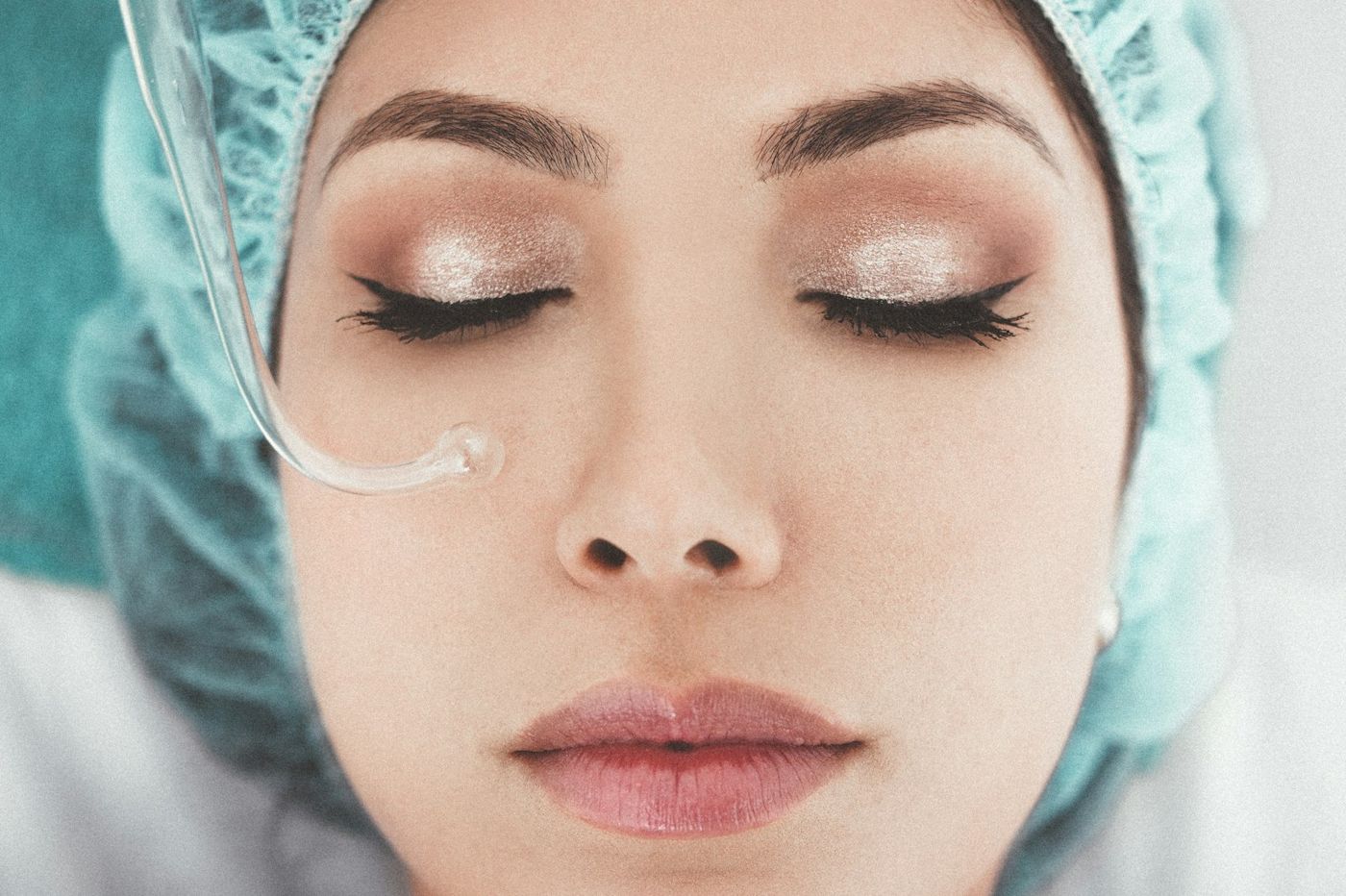
Thinking about a nose job, or just booked one? Knowing what rhinoplasty recovery looks like week by week helps you plan time off, set realistic expectations and spot anything that needs a call to your surgeon. Every nose and every operation is different, so treat this as a general guide and always follow the instructions your own surgeon gives you.
Before you start: setting expectations
Rhinoplasty recovery happens in two layers. The first is the visible part: bruising, swelling and the splint, which mostly settle within a few weeks. The second is slower: the fine swelling that hides the final shape of your nose, especially at the tip. For most people this takes many months, and it can take up to a year or longer to fully settle.
That means the nose you see at two weeks is not the final result. Patience is part of the process.
Week 1: rest, splint and swelling
The first week is usually the most uncomfortable. You can expect:
- A splint on the outside of your nose, and sometimes soft packing or internal splints
- Swelling and bruising around the nose and under the eyes, often peaking around day two or three
- A blocked, stuffy feeling that makes breathing through your nose hard
- Mild to moderate discomfort, usually managed with the pain relief your surgeon recommends
Keep your head raised when you rest and sleep, use cold compresses around (not on) the nose if your surgeon allows it, and avoid blowing your nose. Many surgeons remove the external splint around the end of the first week.
Key tip: Sleep with your head raised on two or three pillows for the first one to two weeks. It is one of the simplest ways to help swelling go down.
Week 2: the splint comes off
With the splint removed, you will see your new nose for the first time. It will likely look swollen, a little upturned or wide, and that is normal. Bruising usually fades a lot during this week, and many people feel ready to return to desk work or study at around 10 to 14 days, sometimes with a little concealer.
Keep avoiding anything that could knock your nose, and do not rest glasses on the bridge unless your surgeon says it is fine.
Weeks 3 to 6: getting back to normal life
By now most visible bruising is gone, and friends may not notice anything. Inside, healing is still very active. During this stage:
- 01Light exercise such as walking is usually fine; most surgeons ask you to wait around three to six weeks before more intense workouts.
- 02Contact sports and anything with a risk of a hit to the face usually wait longer, often six weeks or more.
- 03Breathing through your nose typically improves as internal swelling settles.
- 04Numbness or stiffness at the tip is common and usually eases slowly.
Keep protecting your skin from the sun, as healing skin can mark or discolour more easily.
Months 2 to 12: the slow reveal
This is where patience pays off. Much of the swelling is usually gone by around three months, but the last part, especially at the tip and in thicker skin, can take a year or more to resolve. You may notice your nose looks more refined in the morning and slightly fuller later in the day. That is normal too.
Your surgeon will usually see you for follow-ups during this time. These visits are the right moment to ask how things are healing, rather than judging the result yourself in the mirror.
When to call your surgeon
Contact your surgeon or seek urgent care if you notice:
- Heavy bleeding that does not stop with gentle pressure
- Fever, spreading redness, warmth or discharge that could signal infection
- Pain that is getting worse instead of better
- Sudden trouble breathing, or any change in your vision
If you are still choosing where to have surgery, you can get free personal plans from verified surgeons and compare their aftercare advice before you decide. After surgery, it helps to keep your daily aftercare steps in one place: Bella, the assistant in the GetBeauty app, can remind you of the routine your surgeon gave you.
The bottom line
Rhinoplasty recovery is mostly about time. The first two weeks are the hardest, life usually feels fairly normal by about a month, and the final shape keeps refining for up to a year. Rest well, follow your surgeon's instructions closely and give your nose the time it needs.
- #rhinoplasty
- #nose job
- #recovery
- #aftercare
This article is general information, not medical advice. Talk to a licensed doctor about your own situation.